

Collection: Tesla Trunk Mat
-
Michelin Tesla Model Y Juniper Floor Mats & Cargo Set (2025–2026)
Regular price $249.99 USDSale price $249.99 USD Regular priceUnit price per$294.99 USD$249.99 USD$225.00 USDSale -
Michelin Tesla Model Y Trunk Mat (2025+)
Regular price $59.99 USDSale price $59.99 USD Regular priceUnit price per$104.99 USD$59.99 USD$57.00 USDSale -
2020–2025 Tesla Model Y Floor Mats & Trunk / Cargo Mat & Backrest Protector Mat Set by Michelin
Regular price $169.99 USDSale price $169.99 USD Regular priceUnit price per$214.99 USD$169.99 USD$161.50 USDSold out -
2025–2027 Tesla Model Y Floor Mats & Trunk / Cargo Mat & Frunk Mat & Backrest Protector Mat Set by Michelin
Regular price $219.99 USDSale price $219.99 USD Regular priceUnit price per$264.99 USD$219.99 USD$209.00 USDSale -
Floor Mats & Trunk / Cargo Mat & Frunk Mat & Backrest Protector Michelin Mat Set
Regular price $229.99 USDSale price $229.99 USD Regular priceUnit price per$274.99 USDSale -
2024–2027 Tesla Model 3 Floor Mats & Trunk / Cargo Mat & Frunk Mat & Backrest Protector Mat Set by Michelin
Regular price $223.95 USDSale price $223.95 USD Regular priceUnit price per$268.95 USDSale -
Tesla Model Y Floor Mats & Trunk / Cargo Mat & Backrest Protector | Michelin
Regular price $99.99 USDSale price $99.99 USD Regular priceUnit price per$144.99 USDSold out -
Michelin Floor Mats & Trunk / Cargo Mat & Frunk Mat & Lower Trunk Mat Set for Tesla Model Y (2025–2027)
Regular price $194.95 USDSale price $194.95 USD Regular priceUnit price per$249.95 USDSale -
2025–2027 Tesla Model Y Floor Mats & Trunk / Cargo Mat & Backrest Protector Mat Set by Michelin
Regular price $189.95 USDSale price $189.95 USD Regular priceUnit price per$244.95 USD$189.95 USD$180.46 USDSale -
Michelin Floor Mats & Trunk / Cargo Mat & Frunk Mat & Backrest Protector Set for Tesla Model Y (2025–2027)
Regular price $239.99 USDSale price $239.99 USD Regular priceUnit price per$284.99 USD$239.99 USD$228.00 USDSale -
Trunk / Cargo Mat & Frunk Mat & Lower Trunk Mat Michelin Mat Set
Regular price $119.99 USDSale price $119.99 USD Regular priceUnit price per$164.99 USD$119.99 USD$114.00 USDSale -
Michelin Set for Tesla Model Y
Regular price $119.99 USDSale price $119.99 USD Regular priceUnit price per$164.99 USD$119.99 USD$114.00 USDSale -
Michelin Floor Mats & Trunk / Cargo Mat & Frunk Mat & Backrest Protector Set for Tesla Model Y (2025–2026)
Regular price $249.99 USDSale price $249.99 USD Regular priceUnit price per$294.99 USD$249.99 USD$237.50 USDSale -
Michelin Tesla Model Y Floor Mats & Trunk / Cargo Mat Set (2025–2026)
Regular price $239.99 USDSale price $239.99 USD Regular priceUnit price per$284.99 USD$239.99 USD$228.00 USDSale -
Michelin Tesla Model 3 Trunk Mat (2024+)
Regular price $59.99 USDSale price $59.99 USD Regular priceUnit price per$104.99 USD$59.99 USD$57.00 USDSold out

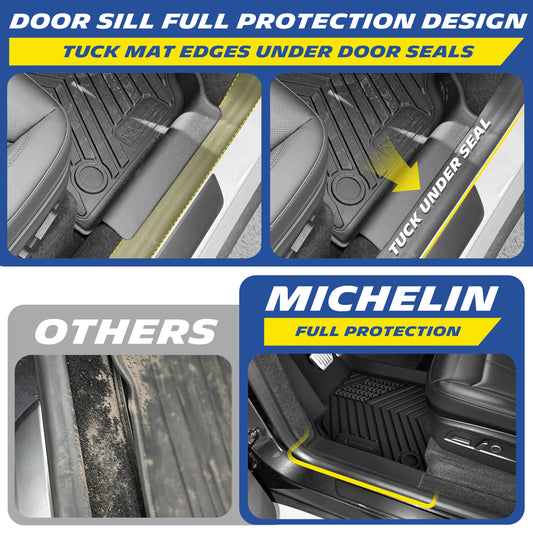

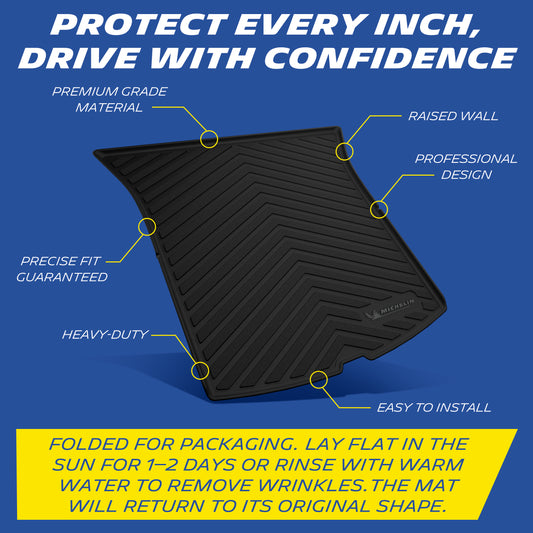

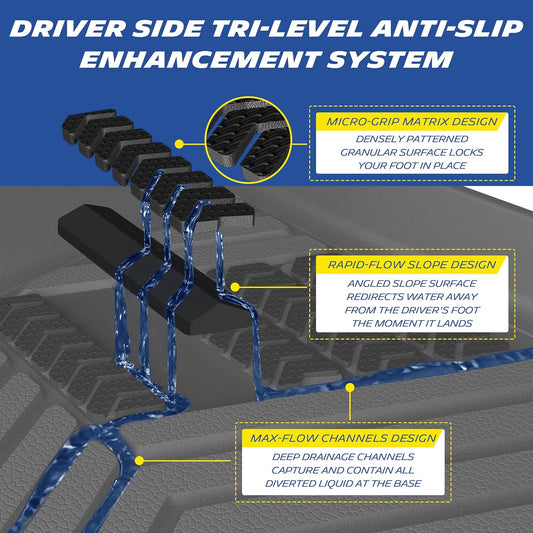

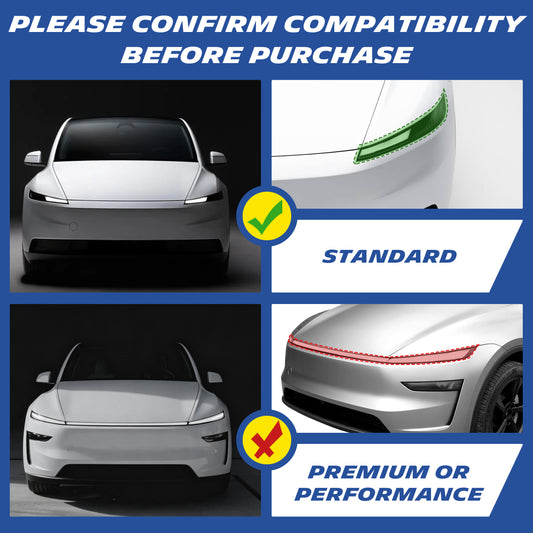

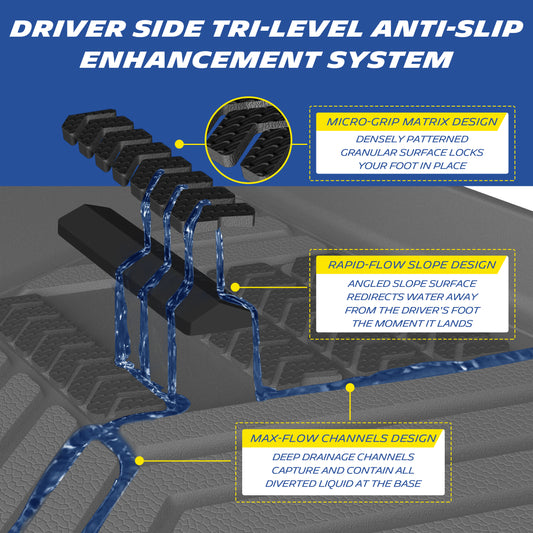

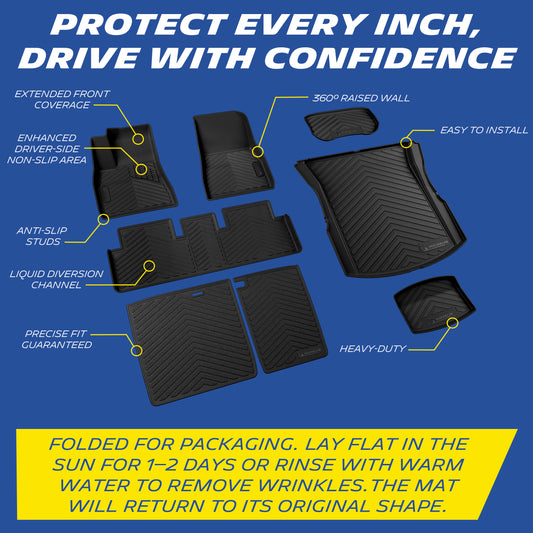

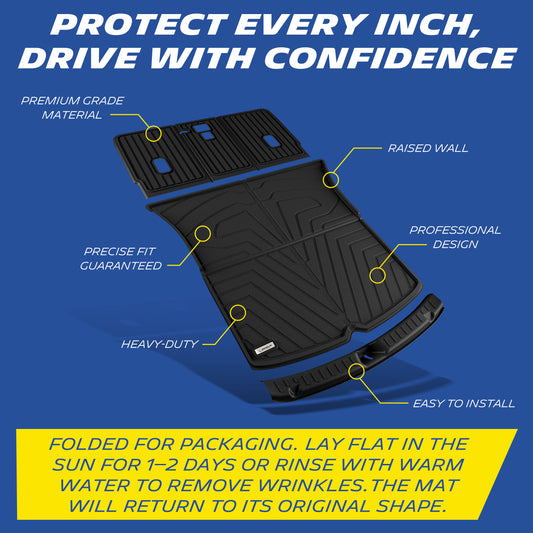

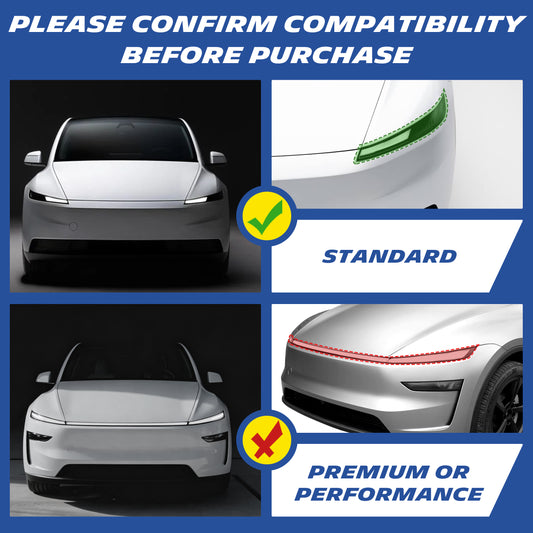





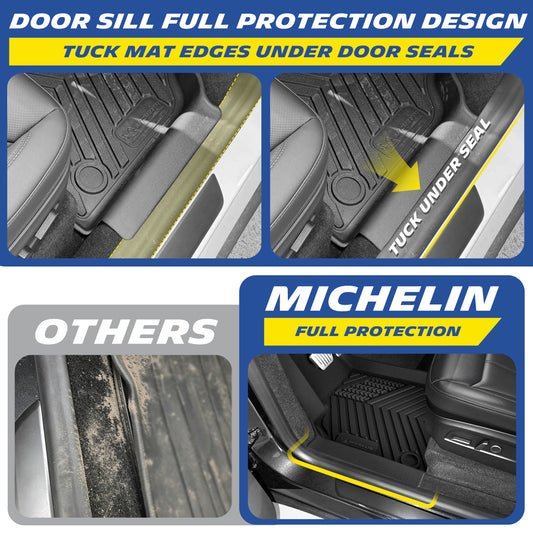

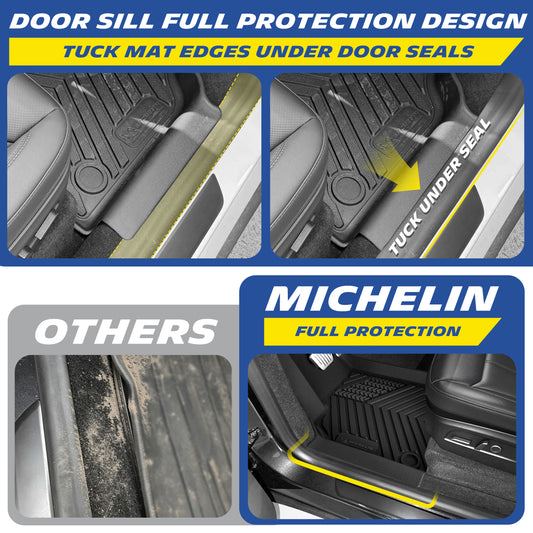

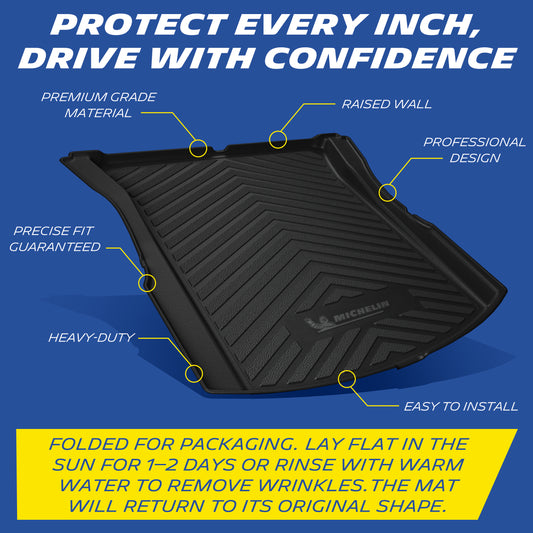
Michelin Vehicle-Specific Trunk Mat vs OEM Cargo Mat vs Universal Cargo Mat
| Michelin Vehicle-Specific Trunk Mat | OEM Cargo Mat | Universal Cargo Mat | |
|---|---|---|---|
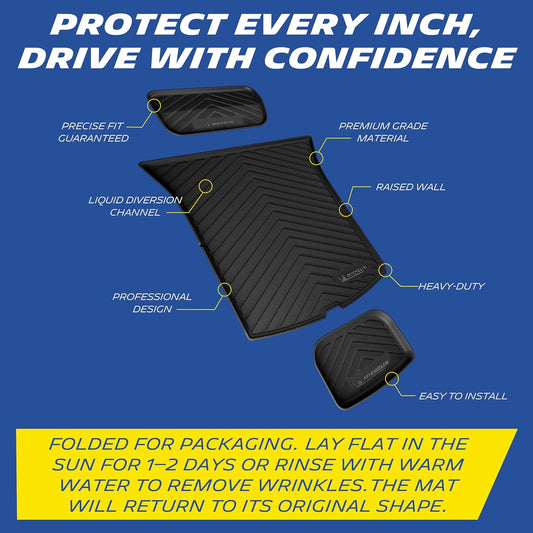
| Fit | Molded to follow vehicle cargo-area contours for a more precise fit | Designed to match the original vehicle cargo area | Generic shape; trimming may be required |
| Coverage | Molded contours and raised edges help protect the cargo floor | Coverage depends on the factory accessory design | May leave gaps around side contours |
| Spill Control | Raised edges help contain small spills, dirt, and debris | Containment varies by design and material | Edge containment varies |
| Material | Durable, flexible TPE for daily cargo use | Carpet, rubber, or other factory material | Rubber, PVC, fabric, or mixed material |
| Cleaning | Remove, rinse, dry, and reinstall | Cleaning method depends on the material | Usually washable, depending on material |
| Best For | Groceries, pets, luggage, outdoor gear, and daily cargo | Drivers who prefer a factory accessory | Drivers seeking general-purpose cargo-floor coverage |